Get Tree Curbing Installation
Tree curbing installation services help property owners control tree growth, prevent damage, and define landscape edges through skilled work by local contractors.
If you’re considering tree curbings for your property, you’re in the right place to explore your options. Properly installed tree curbing can enhance the appearance of your landscape, help define your yard’s boundaries, and provide a clean, finished look to flower beds and garden areas. Property owners often turn to professional local contractors to ensure the work is done efficiently and with attention to detail, making it easier to plan your landscaping projects with confidence.
Comparing different local service providers can help you find the best fit for your needs and preferences. Whether you’re updating an existing landscape or preparing a new planting area, experienced contractors in your area can offer guidance and quality workmanship. Keep reading to learn more about how local pros can assist with tree curbing installation and how to connect with trusted professionals nearby.
- Tree Curbing Installation - homeowners needing to define property boundaries with durable curb edges.
- Tree Curbing Installation - property managers seeking to create a clean and organized landscape appearance.
- Tree Curbing Installation - landscapers looking to enhance curb appeal and prevent grass encroachment.
- Tree Curbing Installation - commercial property owners aiming to improve safety and accessibility around trees.
- Tree Curbing Installation - gardeners wanting to contain mulch or decorative materials around planting beds.
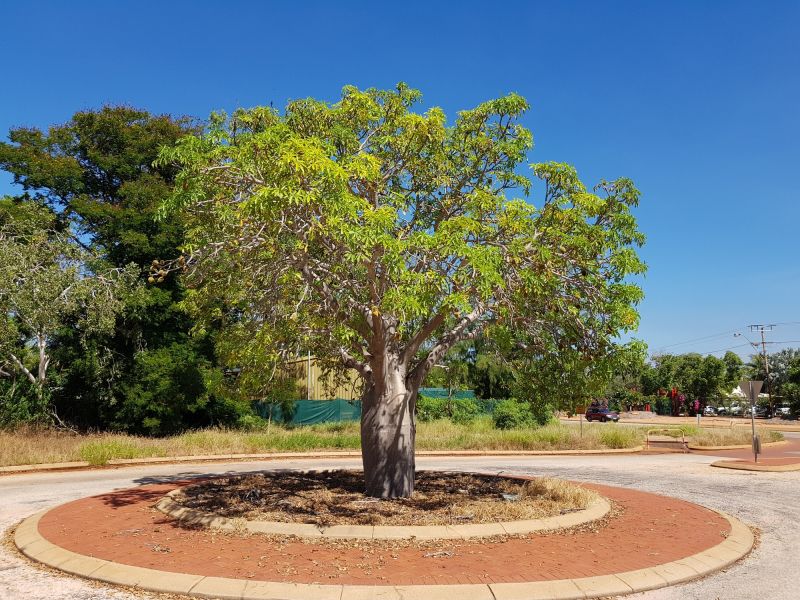
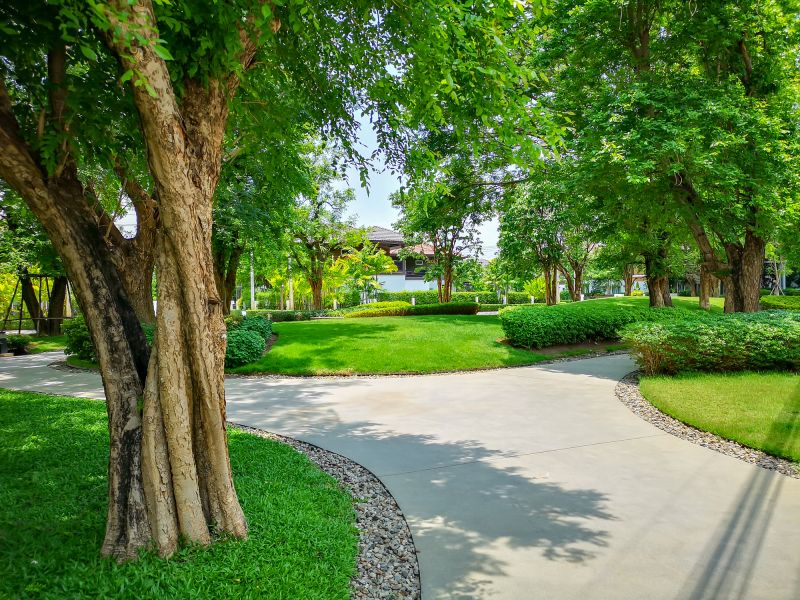
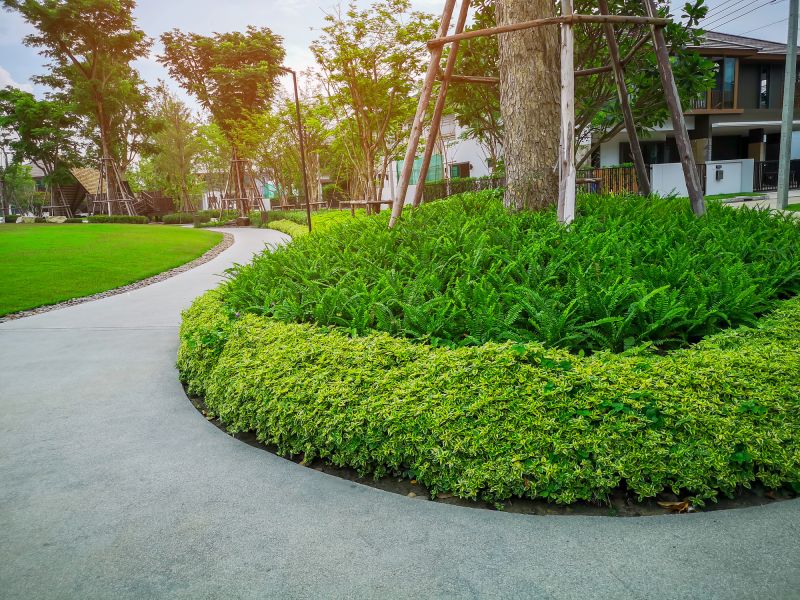
Tree curbings are specialized installations designed to protect trees and surrounding property by creating a defined barrier around the base of a tree. This service typically involves constructing a curb or edging material-such as concrete, stone, or brick-that surrounds the tree trunk, providing a clear boundary between the tree and pathways, lawns, or landscaped areas. The purpose of tree curbing is to prevent damage from lawn equipment, foot traffic, and other impacts, helping to maintain the health of the tree while also enhancing the overall appearance of the landscape.
This service addresses several common problems faced by property owners. Without proper protection, tree trunks can become damaged by mowers, trimmers, and foot traffic, leading to wounds that may invite pests or disease. Additionally, unprotected trees are more susceptible to soil erosion around their roots, which can hinder their growth and stability. Tree curbing helps mitigate these issues by creating a physical barrier that shields the trunk and root zone, reducing the risk of injury and soil disturbance, and promoting healthier, more resilient trees.
Tree curbing is often used on residential properties, commercial landscapes, parks, and community spaces where trees are integrated into the overall design. Homeowners with mature trees or newly planted ones may choose to install curbing to protect their investment and improve curb appeal. Property managers and landscape professionals frequently utilize this service to maintain the health of trees within larger properties, ensuring that landscape aesthetics are preserved while minimizing potential damage from everyday activities.
Homeowners who notice cracked or damaged bark, soil erosion around their trees, or are planning landscape improvements may find tree curbing to be a practical solution. It is also a valuable option for those seeking to prevent accidental damage from lawn equipment or foot traffic in areas with young or delicate trees. By connecting with local contractors experienced in tree curbing installation, property owners can find the right solutions to safeguard their trees and enhance the beauty and safety of their outdoor spaces.
The overview below groups typical Tree Curbing Installation projects into broad ranges so you can see how smaller, mid-sized, and larger jobs often compare in your area.
In many markets, a large share of routine jobs stays in the lower and middle ranges, while only a smaller percentage of projects moves into the highest bands when the work is more complex or site conditions are harder than average.
Smaller Repairs - Most minor tree curbings, such as topping or shaping, typically cost between $250 and $600. Many routine jobs fall within this middle range, making it a common price point for local contractors.
Medium-Sized Projects - Installing or replacing a curb around a larger tree or multiple trees generally ranges from $600 to $1,500. These projects are often more involved but remain accessible for many service providers.
Large or Complex Installations - Custom or intricate curb designs, or work around difficult terrain, can range from $1,500 to $3,000 or more. Fewer projects reach the highest tiers, which are reserved for specialized or extensive work.
Full Replacement or Major Overhauls - Complete removal and replacement of existing curbing, especially on large landscapes, can exceed $3,000 and may go beyond $5,000 for very extensive or complex jobs. Such projects are less common but handled by experienced contractors for larger properties.
Actual totals will depend on details like access to the work area, the scope of the project, and the materials selected, so use these as general starting points rather than exact figures.
Landscape Edging Projects - Landscape edging involves installing borders around garden beds and lawns, requiring similar planning, tools, and precision as tree curb installation.
Hardscaping Installations - Hardscaping projects such as installing patios and walkways share the use of leveling, measuring, and material handling skills with curb installation services.
Tree and Shrub Planting - Planting trees and shrubs involves site preparation and careful planning, aligning with the skills used in installing tree curbing around existing greenery.
Retaining Wall Construction - Building retaining walls requires excavation, leveling, and structural planning similar to the groundwork involved in curb installation.
Garden Bed Construction - Creating and shaping garden beds involves soil preparation and edging, which are related to the techniques used in tree curb installation.
Driveway and Pathway Paving - Paving driveways and pathways involves precise leveling and material placement, paralleling the skills needed for effective tree curb installation.
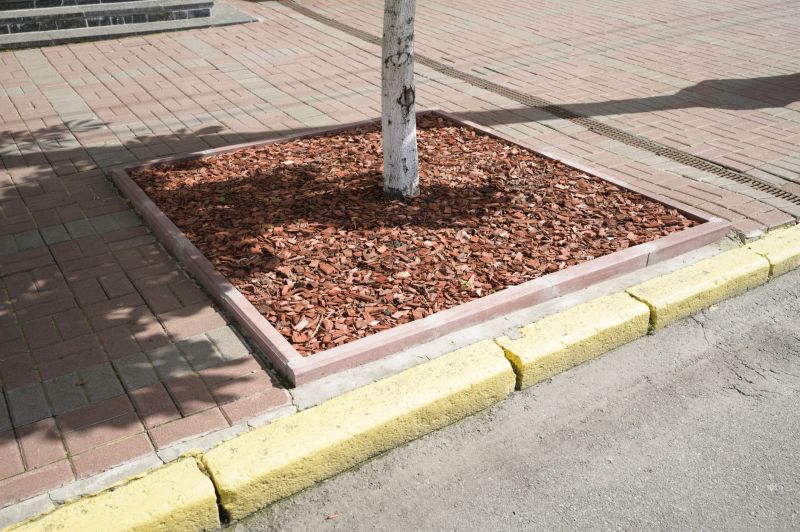
When evaluating local contractors for tree curbing installation, it’s important to consider their experience with similar projects. A service provider with a proven track record in handling tree curbing can demonstrate familiarity with the specific techniques and materials needed for a successful outcome. Asking about past work or requesting examples of completed projects can help gauge their expertise and ensure they understand the unique requirements of your property.
Clear and detailed written expectations are essential for a smooth project. A reputable provider should be able to outline the scope of work, materials to be used, and any relevant details in a way that leaves no room for confusion. This transparency helps ensure that both parties are aligned on the project goals and reduces the potential for misunderstandings or surprises as work progresses.
Good communication and reputable references are key indicators of a dependable service provider. Service providers who are responsive and willing to provide references from previous clients can give insight into their professionalism and quality of work. Engaging with past customers can help confirm that the contractor maintains a consistent standard of service, making it easier to choose a partner who is reliable and easy to work with.
Property owners use Tree Curbing Installation services for practical projects around their homes and businesses. This guide focuses on everyday jobs and straightforward project options.
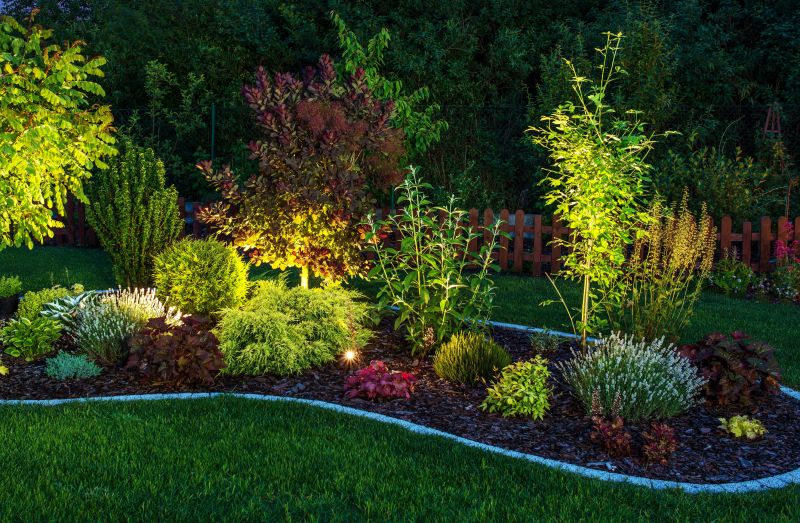
Tree curbing installation is a common project for property owners looking to improve the appearance and safety of their outdoor spaces. Local contractors often handle tasks like installing tree barriers or curbing around landscaped areas to prevent damage from lawn equipment or foot traffic. These services are frequently sought after by homeowners and business owners who want to define their garden beds clearly or protect their trees from accidental harm.
Property owners may also look for tree curbing installation when preparing for new landscaping or renovations. Installing a curb can help contain mulch, gravel, or other ground coverings, making maintenance easier and enhancing curb appeal. Local service providers are experienced in managing these projects efficiently, helping to keep outdoor spaces organized and visually appealing.
What is tree curbing installation? Tree curbing installation involves creating a barrier or edging around a tree to protect its root zone and enhance landscape appearance, typically using durable materials like concrete, stone, or brick.
Why should I consider tree curbing for my landscape? Tree curbing helps prevent damage to tree roots from lawn equipment, controls soil erosion, and provides a clean, finished look to your landscape design.
What types of materials are used for tree curbing? Common materials for tree curbing include concrete, brick, stone, and sometimes wood or composite materials, chosen based on aesthetic preferences and durability needs.
Can local contractors customize tree curbing designs? Yes, many local service providers can customize tree curbing to match your landscape style and specific requirements, offering various shapes, sizes, and materials.
How do I find qualified professionals for tree curbing installation? To connect with experienced local contractors, consider using lead generation services that help compare and contact providers specializing in landscape edging and tree protection services.
Tree Curbing for Safety - Property owners can use tree curbing services to create a clear boundary around trees, reducing trip hazards and protecting pedestrians.
Enhancing Curb Appeal - Installing tree curbing can define landscape features and improve the overall look of a yard or garden area.
Protecting Lawn and Garden Areas - Tree curbing helps prevent lawn damage by containing mulch and soil around trees, making maintenance easier.
Managing Tree Growth - Proper curbing can help control root spread and prevent damage to sidewalks or driveways caused by tree roots.
If you are thinking about Tree Curbing Installation for a property, this guide is meant to help you understand the work, the typical project types, and how different options might fit your plans.
When you are ready, you can use the quote form on this page to share a few details about your project. From there, local pros can review the basics and respond with options that match what you have in mind.